




Planning Work Packages and the Order of Trades
Breaking a project into clear work packages makes it easier to source the right subcontractors. Sequencing those packages correctly prevents finished work being broken and redone.
A typical building sequence
- Site preparation and foundations
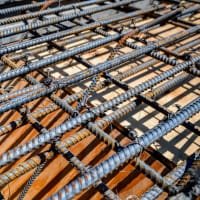
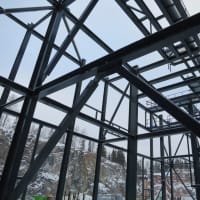
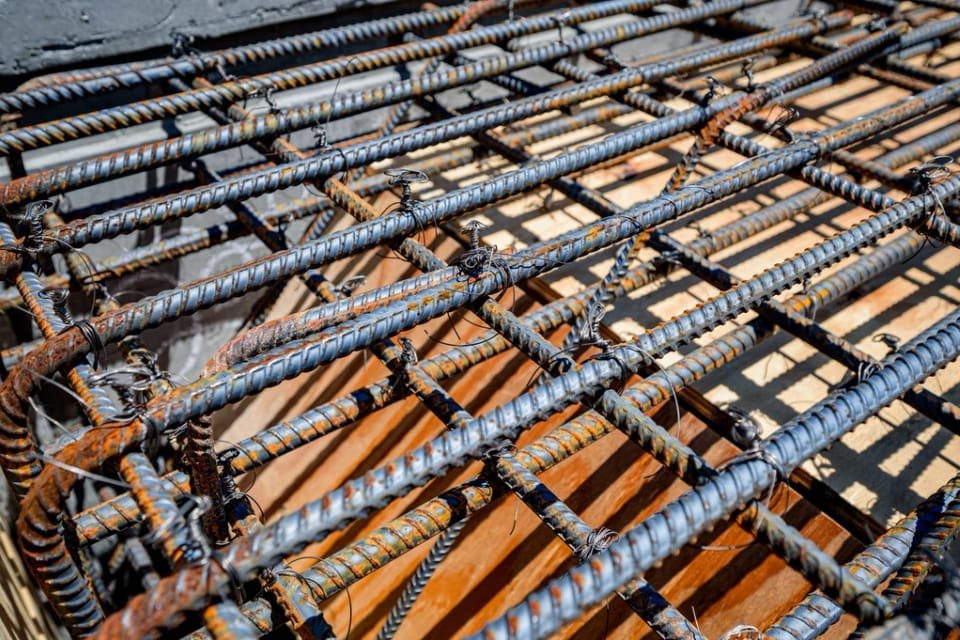
- RCC structure, columns, beams and slabs
- Brickwork and blockwork
- Electrical conduit and plumbing lines inside walls
- Plastering
- Door and window frames
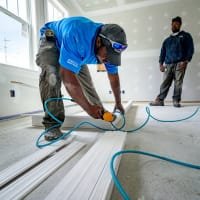
- Flooring and tiling
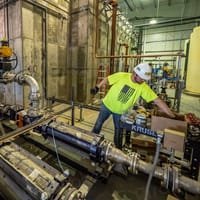
- Mechanical, ducting and final fittings
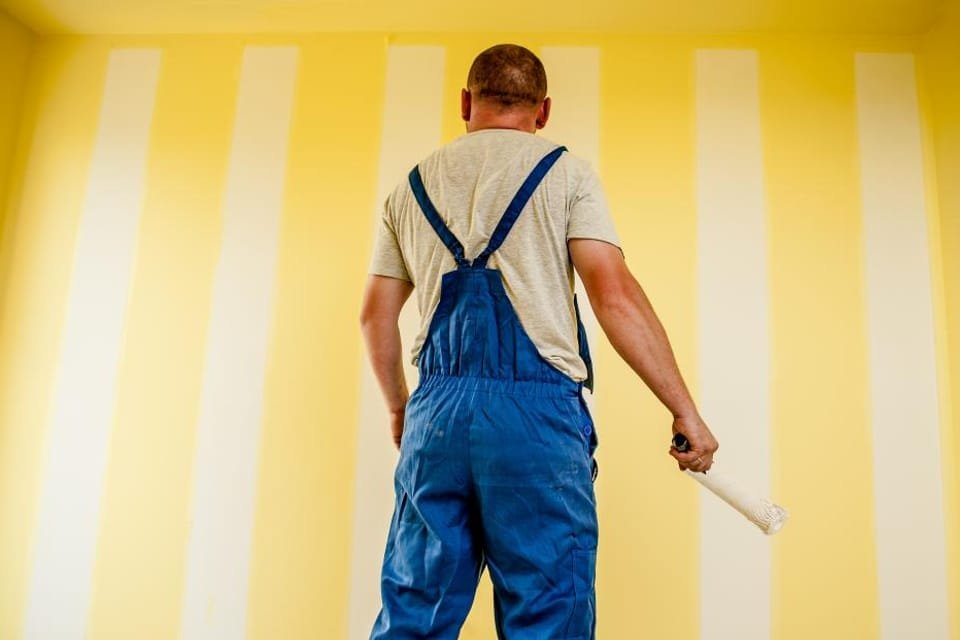
- Painting, then final electrical and sanitary fittings
Why the overlap matters
Electrical and plumbing lines must go in before plaster, and ducting should be planned at the same time. Once a surface is finished, each missed line means breaking it open again and paying for the repair.
Plan the handover between packages
Before one subcontractor leaves, check their work with the next. For example, pressure test pipes before plastering. A short check at each handover can prevent costly rework.

